cases >> KALTENBACH
VAN REVISIE NAAR REMANUFACTURING
VAN REVISIE NAAR REMANUFACTURING
Remanufacturing is receiving increasing attention in the manufacturing industry, but how do you apply it within your organization? KALTENBACH in Hengelo is exploring this question together with the Remanufacturing Collective of BOOST Circulair program. The company, which specializes in automated blasting and paint-spraying systems for structural steel, is taking the next step toward reusing machines and parts. We speak with director Gert Jan ten Brinke, who is involved in the strategic development of KALTENBACH in the Netherlands.
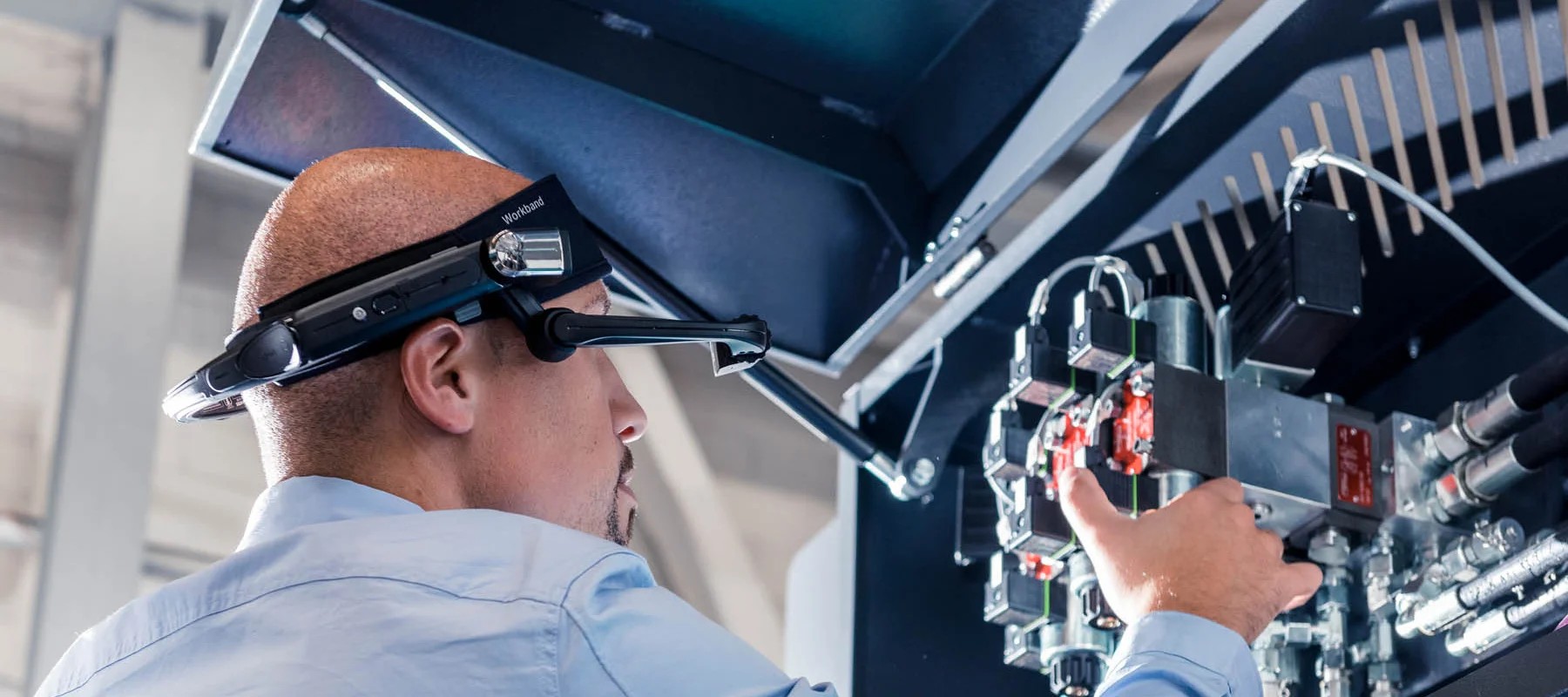
Within KALTENBACH, overhauling machines has long been part of their practice. Particularly with the former line of APS punch-shear machines, installations are taken back, dismantled, and rebuilt. In doing so, it is determined which parts need to be replaced and which are still suitable for reuse. “Such a machine is technically and control-wise adapted to current standards,” says Gert Jan. “That way, you give the machine a second life.”
For other machines, this process is even less developed. “We have refurbished solutions, but we don't yet do remanufacturing everywhere like with those cutting machines. That is something we want to move towards.” Especially because many machine parts are still usable, KALTENBACH sees opportunities to take steps in this direction.
Remanufacturing Collective as the next step
Participation in the Remanufacturing Collective helps KALTENBACH to tackle remanufacturing more seriously and in a more structured way. “For us, this was one of the first steps to really get started with it in a targeted manner,” says Gert Jan. What appeals to him is that the program looks not only at sustainability but also at the business case. “The central question is: when does remanufacturing actually have value for us and for the customer?”
Within the collective, companies share experiences and test solutions against concrete practical issues. “You are with companies that run into the same problems, which means you learn from each other quickly.” One session that stuck with him was the one with Philips. “They look ahead generation by generation: how a product is sold, maintained, and later reused. We want to apply that mindset more often.”
The challenge lies in the market
According to Gert Jan, the biggest challenge of remanufacturing lies in the commercial side. “The technology is often the easiest part,” he says. “The real challenge lies in how you position and sell it in the market. Remanufacturing requires a different way of looking at value. We sometimes hear: ‘For the same money, I could buy a new product,’ so then you actually have to explain why remanufacturing is a good alternative.”
In addition, practical and organizational issues come into play. For instance, contracts with dealers are often still structured around the sale of new machines, and less around refurbishment or reuse. Certification and logistics also make it more complex. “If you disassemble a machine and rebuild it, you have to be certain that every part meets the correct requirements. You are dealing with parts of different ages and origins, all of which must be reassessed and certified.”
From isolated initiatives to a structural approach
Within the Remanufacturing Collective, KALTENBACH is working towards a concrete plan for the coming years. “Our goal is to develop a clear roadmap outlining where we stand now and what steps are needed to further build up remanufacturing,” says Gert Jan. This involves not just technology, but the whole picture: from design and service to commerce and collaboration within the supply chain.
According to Gert Jan, this requires a different way of organizing. “Circularity must be an integral part of your way of working, not something on the side.” His ambition is to give remanufacturing a central role within the organization. “It takes time and effort, but it is feasible. We want to become a frontrunner in remanufacturing and demonstrate that circularity also pays off economically.”
This program is funded by the provinces of Gelderland and Overijssel and implemented under the program management of Oost NL, in collaboration with Novel-T, Kennispoort Regio Zwolle, RCT Gelderland, BOOST Smart Industry, FME, Koninklijke Metaalunie, Living Lab Rivierenland & Regio Foodvalley Circulair, VNO-NCW, and Ondernemershuis Deventer.
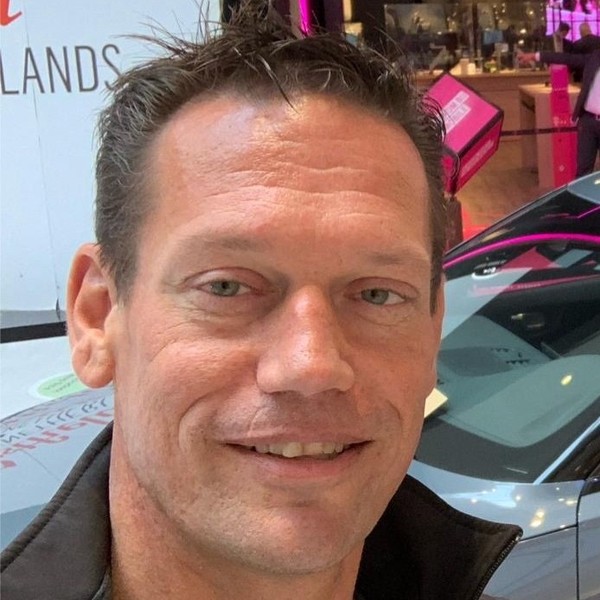
"Circularity must be an integral part of your way of working, not something on the side."
Gert Jan ten Brinke
Director KALTENBACHMore about
KALTENBACH
KALTENBACH specializes in automated blasting and spray painting systems for structural steel. With its extensive experience, KALTENBACH is one of the world's leading companies in high-quality equipment for the processing and preservation of steel. Creative and innovative solutions that guarantee the quality of steel products. The most environmentally friendly machines, with significant savings on energy and consumables and the best operating costs.